Meet the five “-stans” of Central Asia
Five countries, five real photographs, and a bigger picture of Asia. Independent since 1991; home to histories much older than their modern borders.
Do you know these five neighbours? Kazakhstan, Kyrgyzstan, Tajikistan, Turkmenistan and Uzbekistan make up Central Asia in the United Nations’ regional grouping. Find them between the Caspian Sea and China.
New countries? Ancient stories. All five became independent in 1991 as the Soviet Union broke apart. Their peoples, cities and traditions have much older histories. The Persian ending “-stan” means “land” or “place.”
Nature builds castles
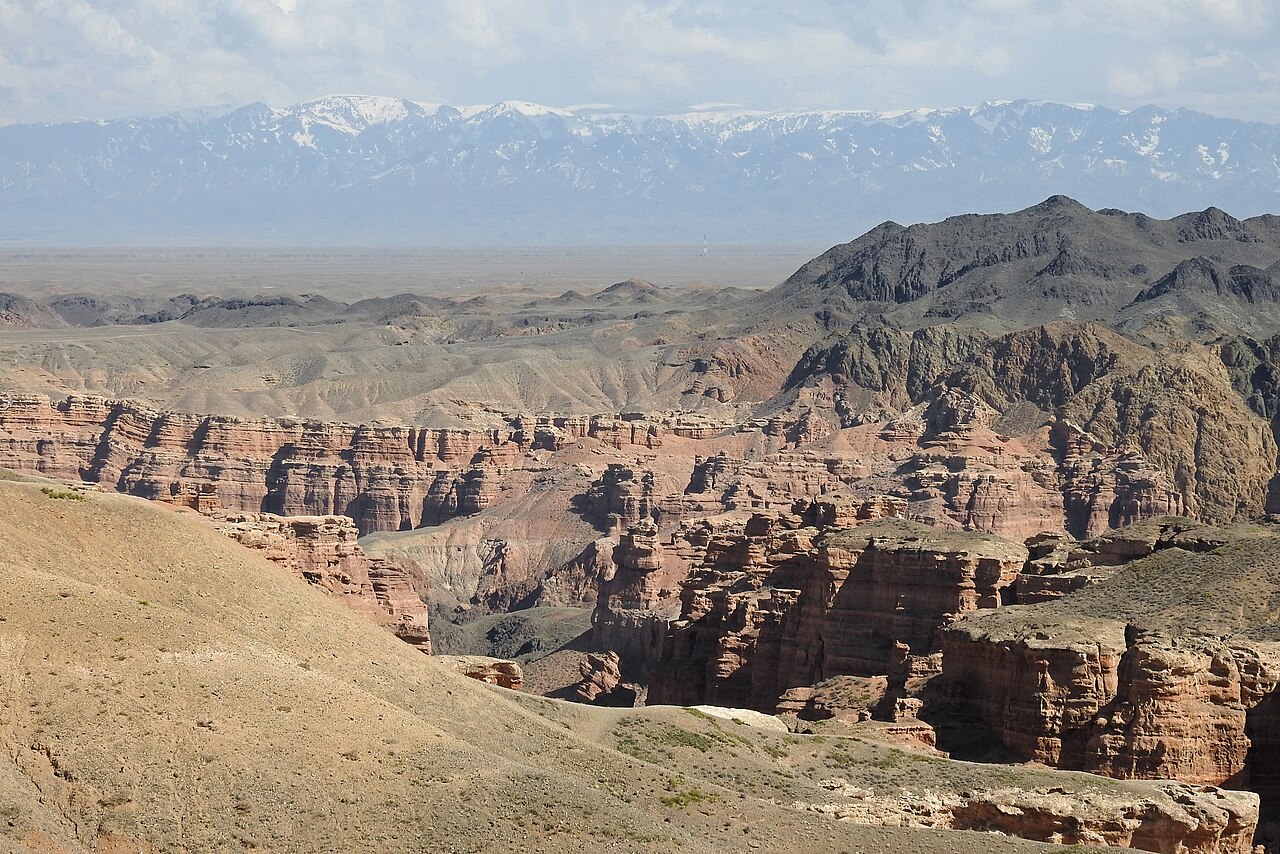
Avustfel / Wikimedia Commons · CC BY-SA 4.0. Display may crop the photograph.

At Charyn Canyon, ridges and rocky towers rise above the valley. Look closely at the layers in the “Valley of Castles”: these walls were shaped by nature, not built by people.
A lake among mountains
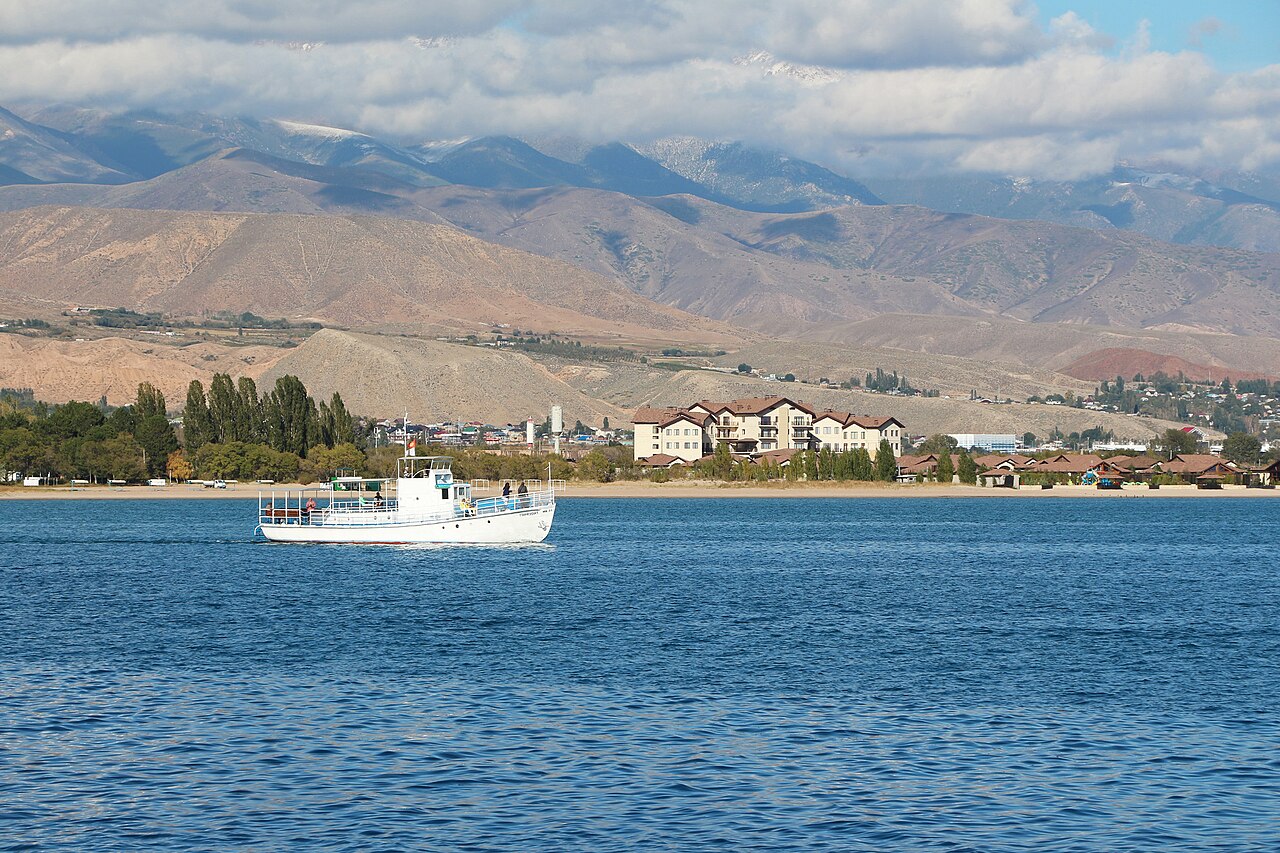
Bgag / Wikimedia Commons · CC0. Display may crop the photograph.

Issyk-Kul shines blue beneath a mountain backdrop. Its lake and nature reserve are recognised by the Ramsar Convention. The boat and shore buildings remind us that people live and work in these landscapes, too.
Up in the Pamirs
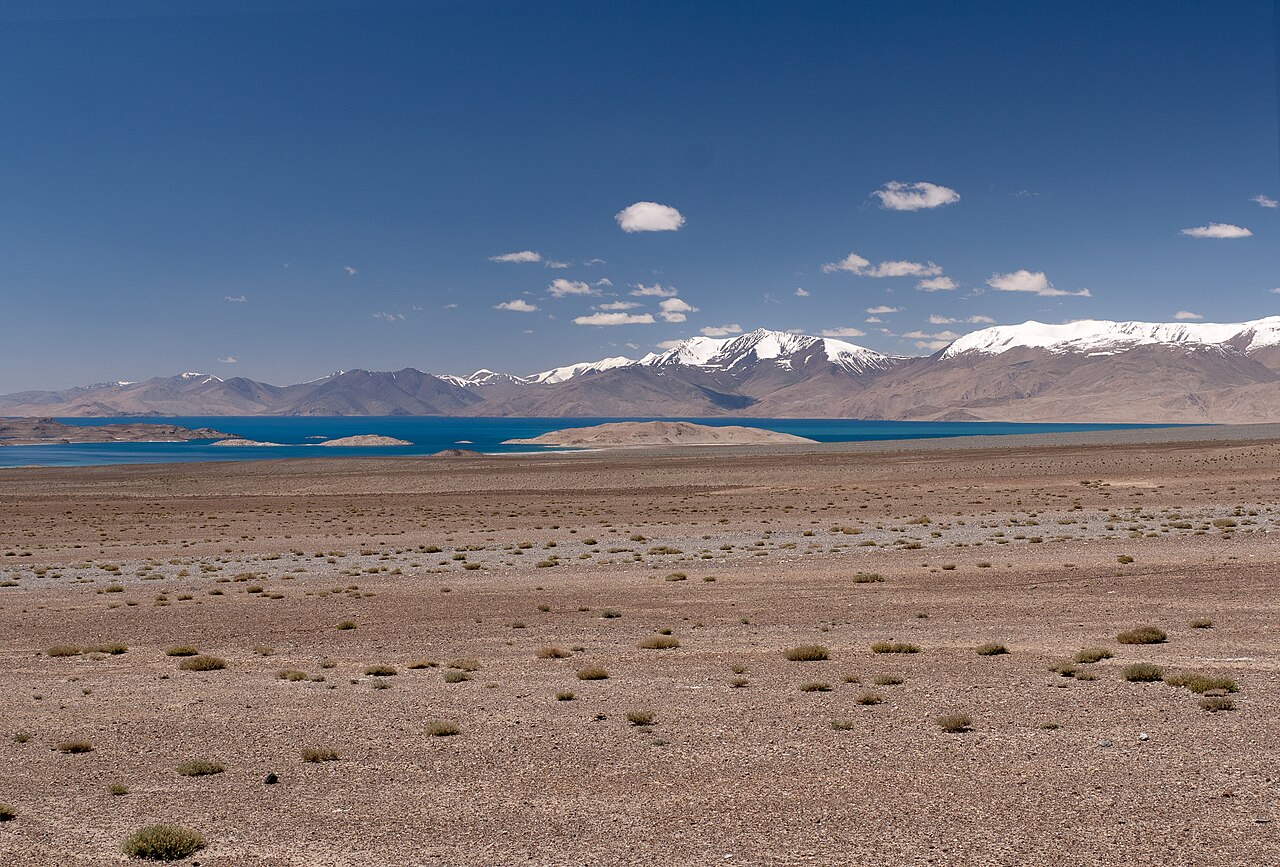
Ekrem Canli / Wikimedia Commons · CC BY-SA 3.0. Display may crop the photograph.

Blue Lake Karakul lies in the Pamir mountains. Beyond the dry plain, snowy peaks fill the horizon. UNESCO describes Tajik National Park as a landscape of high plateaux, glaciers, rivers and lakes.
Walls with a long memory
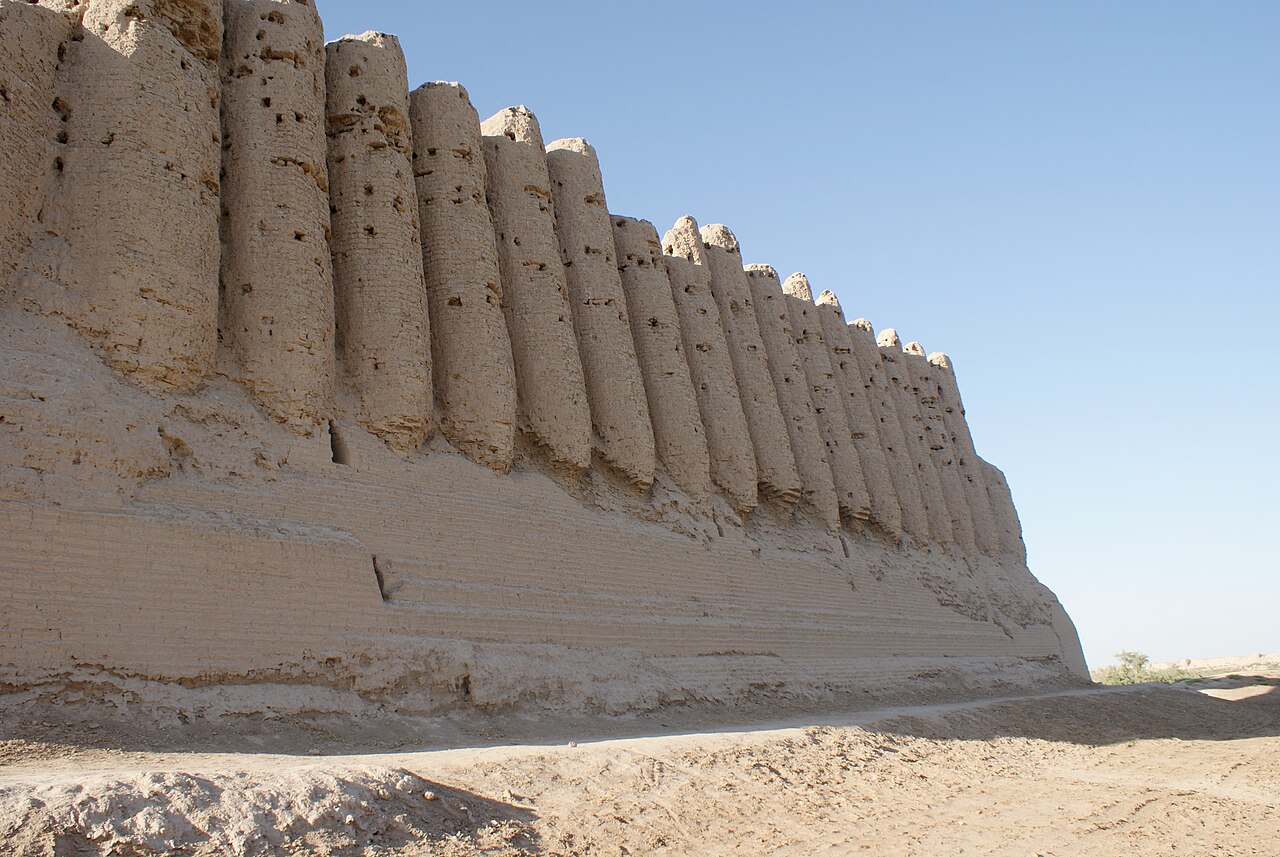
Gai Jorayev / Wikimedia Commons · CC BY-SA 4.0. Display may crop the photograph.

The rounded earthen walls of Great Kyz Kala stand at Ancient Merv. This oasis was an important Silk Roads city. Its archaeological remains span thousands of years. What might a building tell us about the people who used it?
A crossroads of cultures
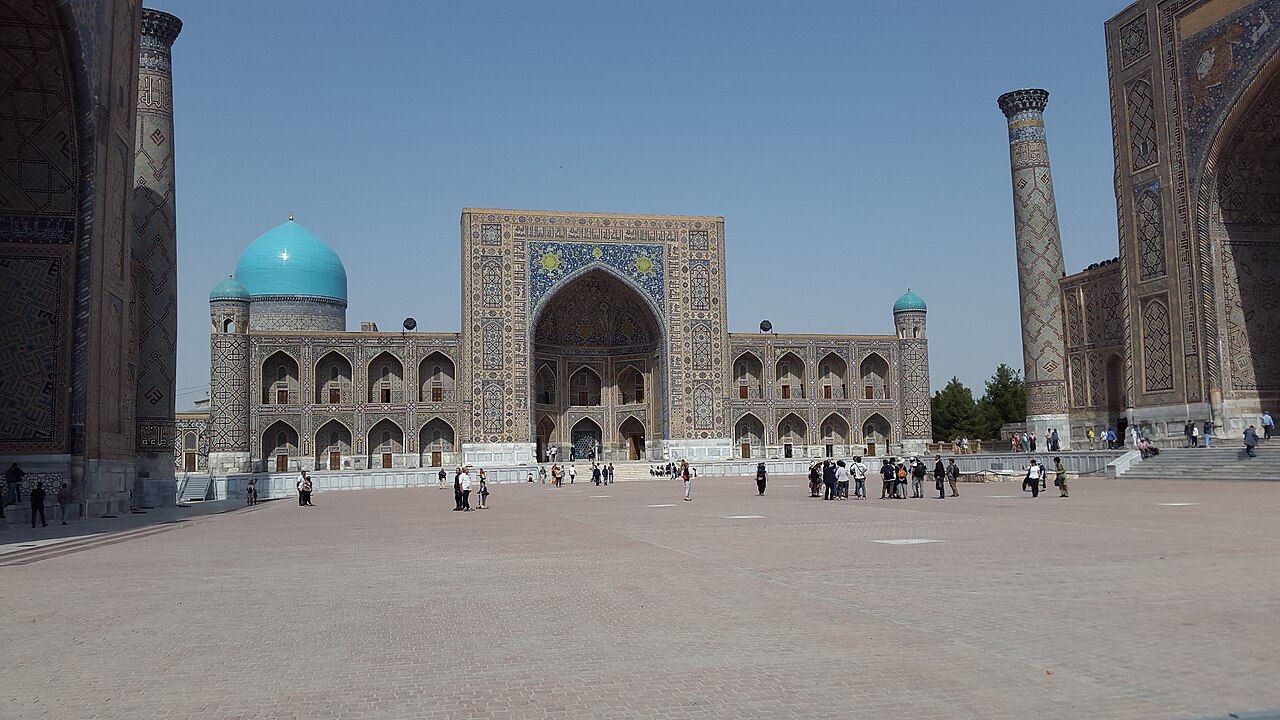
Shuhrataxmedov / Wikimedia Commons · CC BY-SA 3.0. Display may crop the photograph.

At Registan Square in Samarkand, notice the blue domes, tall doorways and repeating patterns. The city’s history reaches back long before 1991. Like other Silk Roads places, it shows how people and ideas travelled across the region.
Do they “look Asian” to you?
What picture appeared in your mind? Did “Asian” make you think mostly of East Asia? Central Asia is part of Asia, too.
There is no single Asian look. These five countries are home to many communities and family histories. People within one country can look very different. You cannot reliably tell someone’s nationality, language or identity from their face.
These photos introduce places; they do not represent everyone who lives there. To learn about people, listen to how they introduce themselves.
“What would you like me to know about where you’re from?”
The Silk Roads were a network of routes carrying goods, skills and ideas. Find all five countries on a map. Choose one photo: what do you notice, what do you wonder, and what would you ask someone who lives there?
What place would you add to your mental picture of Asia—and what would you ask someone who lives there?
Share something you learned ↗Keep exploring
Sources checked October 20, 2026. Publication dates refer to our articles, not when the facts were discovered.
- United Nations Statistics Division: the five countries in Central Asia ↗
- UNESCO: Samarkand, a crossroads of cultures ↗
- UNESCO: the Pamir mountains of Tajik National Park ↗
- UNESCO: Ancient Merv in Turkmenistan ↗
- Ramsar: Issyk-Kul State Nature Reserve in Kyrgyzstan ↗
- UNESCO: Silk Roads heritage and living traditions in Central Asia ↗
- IMF: the five Central Asian states became independent in 1991 ↗
- University of Ferrara: Central Asia and the meaning of “-stan” ↗